
Beating the January Blues: Connection-Boosting Tips for Foster Families
January can feel long, dark, and emotionally heavy for many families—but for children in foster care, the return to routine after the holidays, colder weather, and fewer daylight hours can intensify feelings of uncertainty or restlessness.
There are simple, nurturing ways to bring warmth, connection, and calm into the home during these winter weeks. Here are some indoor activities, therapeutic tips, and attachment-building games to help your family move through January feeling supported and grounded.
1. Create Cosy, Calm Indoor Moments
✨ Build “Comfort Corners”
Make a small, inviting space with cushions, blankets, soft toys, sensory items, or calming lights. Encourage children to use this space anytime they need a quiet moment.
✨ Bake Something Simple Together
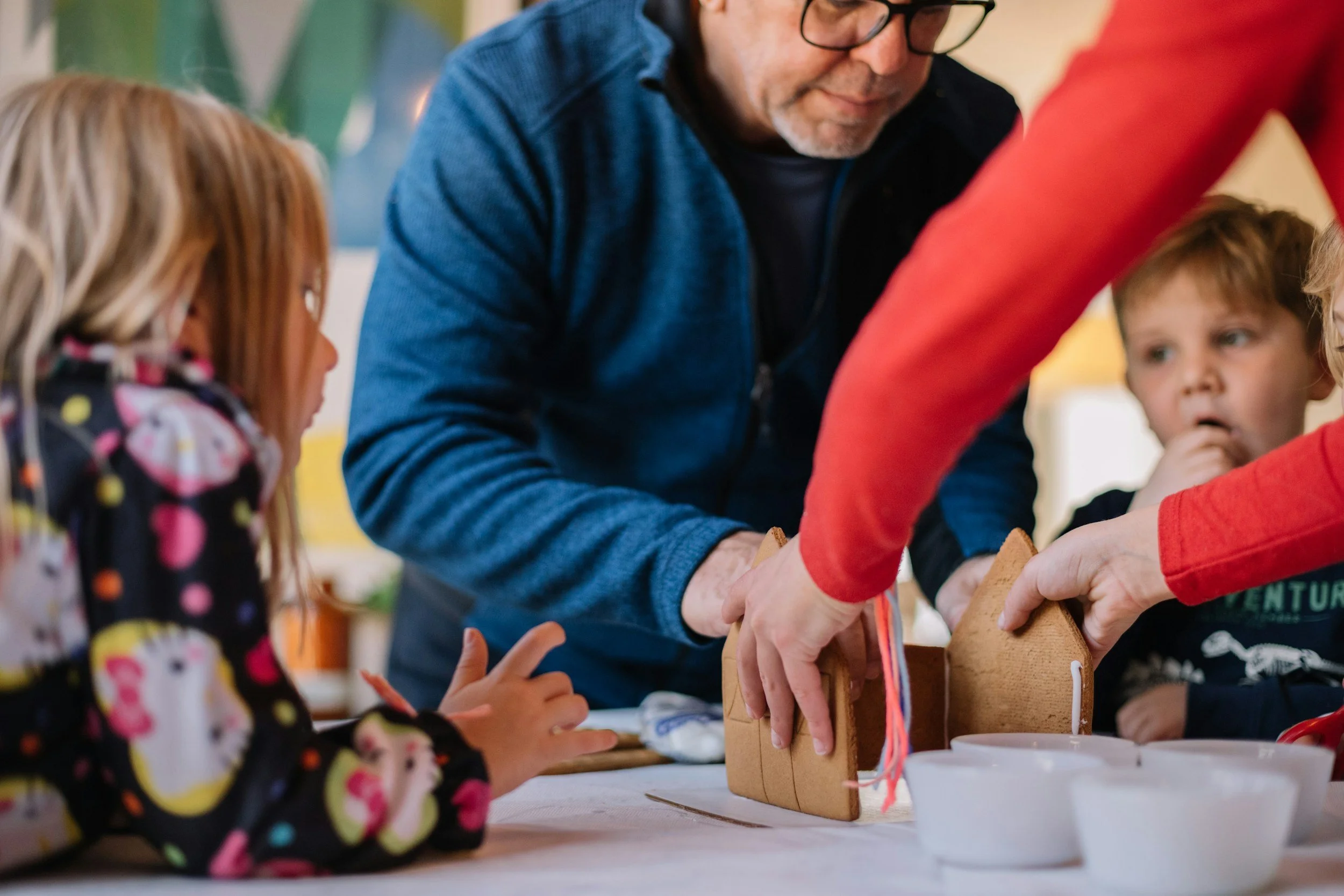
Baking provides structure, sensory engagement, and connection. Choose recipes with predictable steps—cookies, pizza dough, or banana bread—and let your child take the lead where possible.
✨ Bring Nature Indoors
January weather might limit outdoor time, but you can still bring nature in:
Make a mini herb garden
Collect winter sticks, pinecones, or stones and create “winter art”
Use natural objects for sensory trays or craft activities
Having nature around can be grounding and calming.
2. Therapeutic Activities to Support Emotional Regulation
🧘♀️ Mindful Movement or Stretching
Short, playful movement breaks help children release stress. Try:
Animal yoga poses
Guided stretching with music
“Freeze dance” to reset energy
🎨 Creative Expression
Art can give children a safe outlet for big feelings. Try:
Painting to music
Making mood collages
Colour-by-number for children who prefer structured activities
No pressure for it to be “good”—just expressive.
🌬️ Breathing Games
Breathing techniques regulate the nervous system, but making them playful increases engagement.
Try:
“Hot chocolate breath”—pretend to blow on a warm drink
Bubble blowing competitions
Feather races across the table
3. Connection-Building Games That Strengthen Attachment
January is the perfect time to focus on playful bonding. These games support trust, co-regulation, and felt safety—especially important for children with trauma histories.
🤝 “Copycat” Mirroring Game
Sit facing each other. One person moves slowly while the other copies.
This builds attunement, calm, and shared focus.
💬 Rose, Thorn, Bud Check-In
A simple emotional-literacy ritual:
Rose: Something good today
Thorn: Something hard
Bud: Something you’re looking forward to
Children who struggle to talk about feelings benefit from predictable, gentle prompts.
🎲 Connection Dice
Create a homemade dice with prompts like:
Give a high-five
Share something you appreciate about each other
Make a silly face
Tell a 1-minute story together
Do a “secret handshake”
This builds connection with structure and safety.
🎶 Musical Connection
Play short segments of music and pause it occasionally. Each time the music stops, do a fun action—hug, fist bump, spin, or pose. This blends movement, predictability, and joy.
📚 Storytelling Circle
Take turns adding a line to a silly story. Laughter and creativity help lower stress and improve attachment.
4. Maintain Predictability During Dark Winter Days
Many children feel more settled when the environment is predictable, especially after the festive season. Consider:
Keeping a simple weekly visual schedule
Having a consistent bedtime routine
Using timers or sand timers for transitions
Structure helps create emotional safety.
5. Look After Yourself, Too
Caring for children with trauma backgrounds requires emotional energy—and you deserve nurturing as well.
Try:
Taking small breaks for tea, reading, or grounding breaths
Connecting with other foster carers
Journaling or using check-ins to track your own feelings
Asking for help when you need it
You matter, and your wellbeing is a key part of your child’s wellbeing.